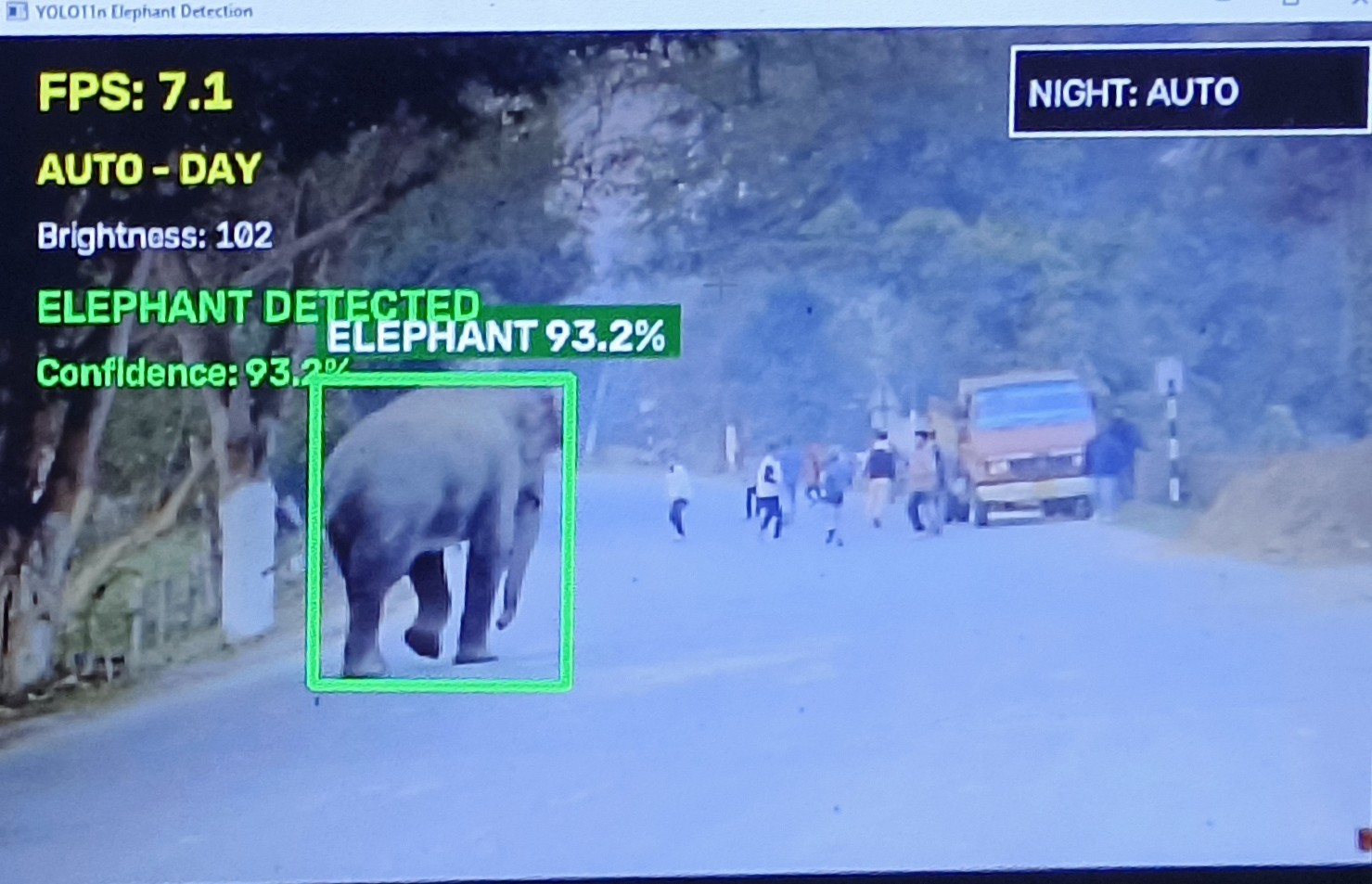
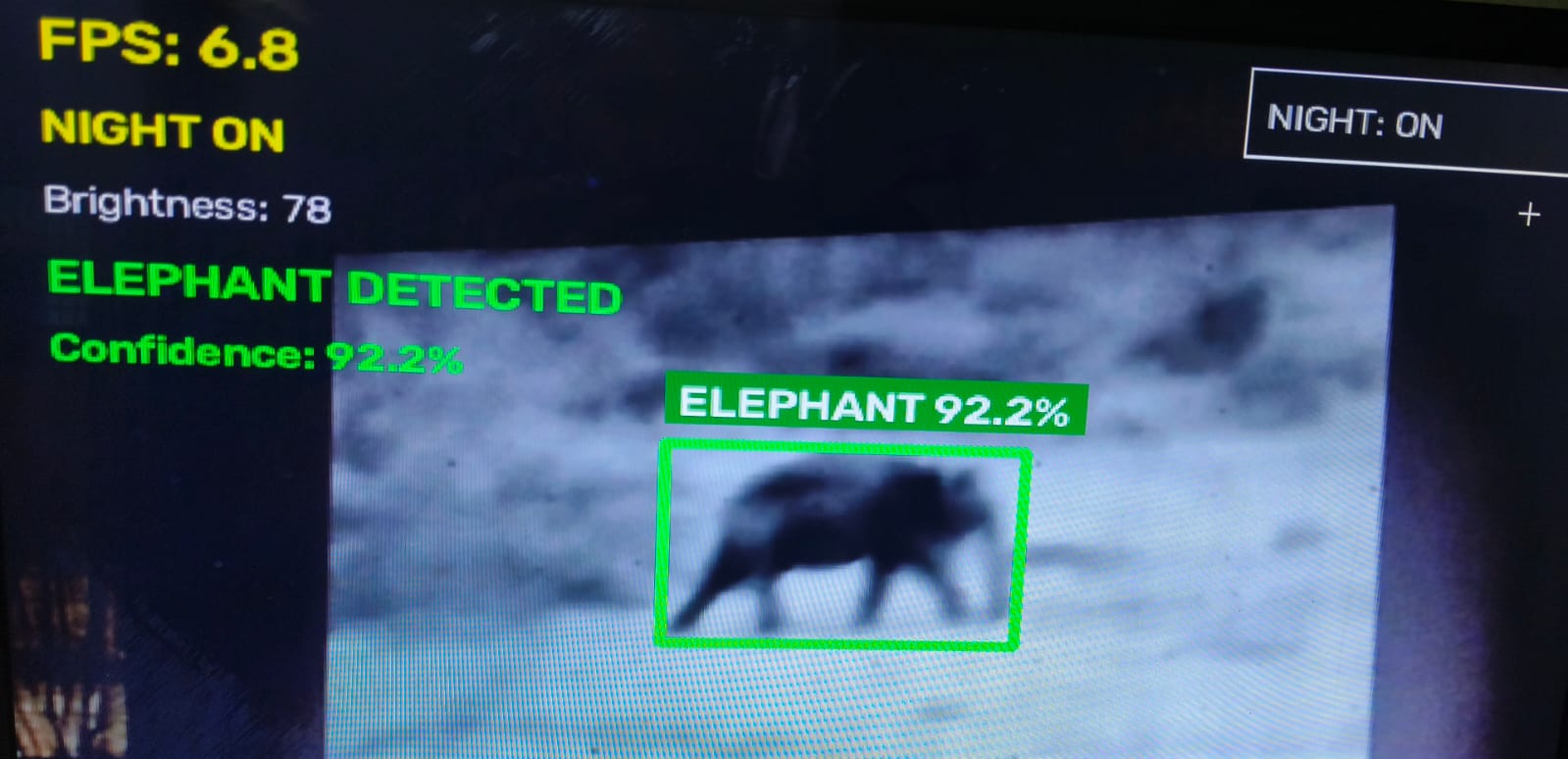
Because elephants move through dense forests and varied terrains, relying on a single sensor causes false alarms. Our system uses a multi-sensor approach for unmatched reliability.
High-definition cameras equipped with computer vision models (like YOLO) identify elephants by their shape. Thermal imaging is critical for detection at night — which is when most crop-raiding happens.
Elephants generate low-frequency vibrations when they walk. Heavy-duty seismic sensors buried underground can detect these footstep vibrations from hundreds of metres away.
Microphones tuned to capture low-frequency infrasound (elephant rumbles) and high-frequency trumpeting, filtering out normal forest noises.
Creates an invisible perimeter beam. If a large object breaks the beam, it triggers the system instantly.
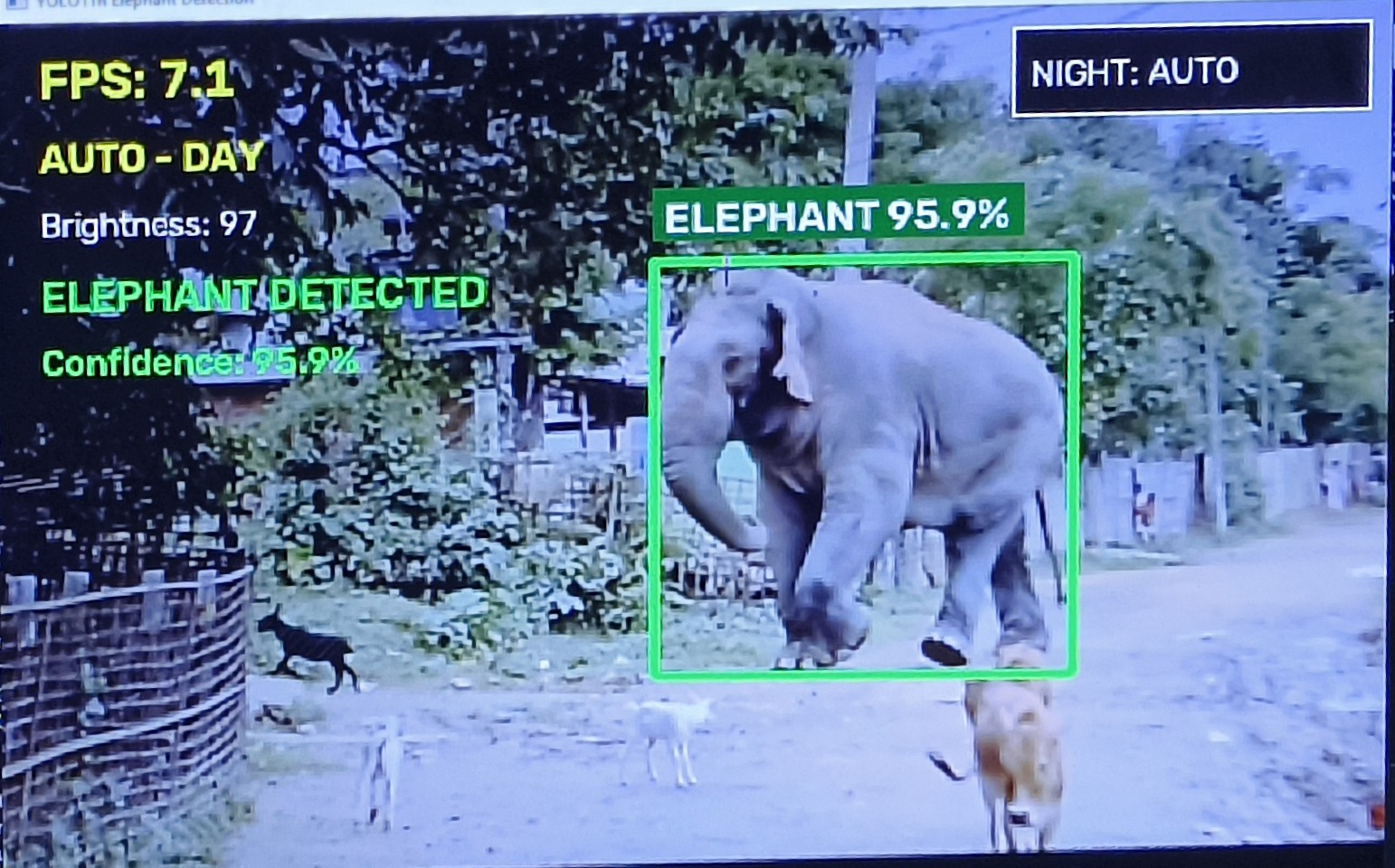
The system processes images and data right on the field (using microcontrollers like Raspberry Pi or specialized AI chips) rather than sending everything to the cloud. This ensures near-zero latency and works even without internet.
The AI must differentiate elephants from other animals (like cows, wild boars, or deer) and moving vehicles to avoid desensitising the community with false alerts.
Once an elephant is detected, the system deploys a multi-tiered alarm strategy:
The units must be 100% solar-powered with weather-resistant batteries to sustain operations during monsoons or prolonged cloudy days.
Forest areas usually lack cellular network coverage. The nodes should communicate using LoRaWAN or Zigbee mesh networks to transmit data across kilometres back to a central base station that has internet.
All equipment must be housed in rugged, waterproof, and dustproof enclosures to survive harsh wilderness conditions and potential monkey/animal vandalism.
Logging every detection to map out frequent conflict zones and regular elephant corridors.
Analyzing historical data to predict what time of year or night an intrusion is most likely to happen, allowing rangers to patrol proactively.
We are a startup company @ Incubation Center, IIT Patna working in the field of Medical Electronics, Embedded system, Micro-electronics, Nano electronics, Internet of Things (IoT) and Robotics and system software related Research & Development, product prototyping and Design servicing. It has been established with an aim to develop center of advanced electronics research & development At SMARTWAY ELECTRONICS, we take pride in design innovation and accept engineering challenges for developing quality products.
Patna Office: Malti Niwas, Road No-1, Dhelwan, Near Bus Stand Bypass Road, Patna-13, Pin: 800030,
Email: smartwayelectronics20@gmail.com, Mob: +91-6299818933
View on Map
Bangalore Office: Bangalore Bioinnovation Centre BS09, Ground Floor, Bangalore Helix Biotech Park, BBC, Electronic City Phase-1, Bangalore- 560100, Mob: +91-8002359537
Mumbai Office: Plot No.177, Shree Niwas, B-301, Sector 14, Nerul (west), Navi Mumbai– 400706, Mob: +91-8108475077
© copyright 2025: Smartway Electronics